English
 Български
 Get
Get
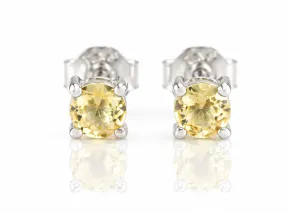
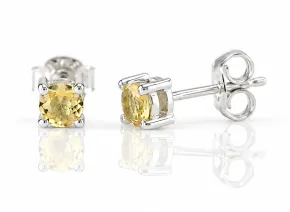
 Chrysoberyl, despite its name, is not related to Beryl, which is a silicate. Chrysoberyl is, in fact, an oxide. There are three types of Chrysoberyl: the golden, yellowish-green variety that is faceted into jewelry; the chatoyant variety known as Cat’s Eye or Cymophane (usually created into cabochons), and the most rare variety that changes color from green in ultraviolet light to red in artificial light known as Alexandrite.
The golden-yellow, often uncut Chrysoberyl is most widely used in healing. It is said to help one identify the nature of an illness and whether or not the healing should be conventional medical help or spiritual, or both. Chrysoberyl lets us strive to do our very best, often increasing our standards. It is often helpful for those who “follow the crowd” to stand apart and be their own person and find their own way. Chrysoberyl is also a prosperity stone and luck-bringer.
Chrysoberyl is generally a green to yellow gemstone, with a few rare varieties given special names. The most famous stones have a color change effect from green to red and these are called Alexandrite. Alexandrite can be found in it’s own category on Gem Rock Auctions.
Another form has an amazing cats eye effect. I transparent stone with a cats eye effect and color change is the rarest and most highly south after. It is an extremely hard mineral and is perfect for use in daily jewellery.
Generally Chryosberyl will be found as a single loose gemstone but we do have a few cabochons and pairs.
It is generally considered as a collectors stone but recently it has gained popularity and is being found in Jewelry.
Physically, use Chrysoberyl for intestinal disorders, celiac disease, and ulcers. It can also help with exhaustion, food allergies, eyesight (especially at night), and weight loss.
Chrysoberyl, despite its name, is not related to Beryl, which is a silicate. Chrysoberyl is, in fact, an oxide. There are three types of Chrysoberyl: the golden, yellowish-green variety that is faceted into jewelry; the chatoyant variety known as Cat’s Eye or Cymophane (usually created into cabochons), and the most rare variety that changes color from green in ultraviolet light to red in artificial light known as Alexandrite.
The golden-yellow, often uncut Chrysoberyl is most widely used in healing. It is said to help one identify the nature of an illness and whether or not the healing should be conventional medical help or spiritual, or both. Chrysoberyl lets us strive to do our very best, often increasing our standards. It is often helpful for those who “follow the crowd” to stand apart and be their own person and find their own way. Chrysoberyl is also a prosperity stone and luck-bringer.
Chrysoberyl is generally a green to yellow gemstone, with a few rare varieties given special names. The most famous stones have a color change effect from green to red and these are called Alexandrite. Alexandrite can be found in it’s own category on Gem Rock Auctions.
Another form has an amazing cats eye effect. I transparent stone with a cats eye effect and color change is the rarest and most highly south after. It is an extremely hard mineral and is perfect for use in daily jewellery.
Generally Chryosberyl will be found as a single loose gemstone but we do have a few cabochons and pairs.
It is generally considered as a collectors stone but recently it has gained popularity and is being found in Jewelry.
Physically, use Chrysoberyl for intestinal disorders, celiac disease, and ulcers. It can also help with exhaustion, food allergies, eyesight (especially at night), and weight loss.
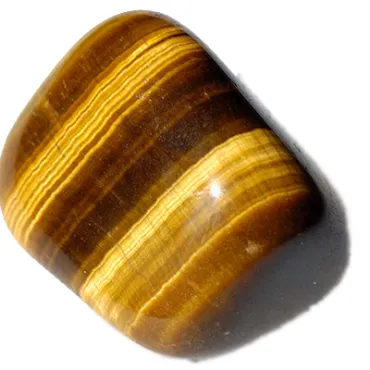
Combining Earth energy with that of the Sun, Golden (Brown) Tiger Eye (Tiger's Eye, Tigereye) draws Spiritual energy down to the Earth, while still keeping you centered here on the ground. Sunny Tiger Eye brings brig...